
Insurance and Policy Forms
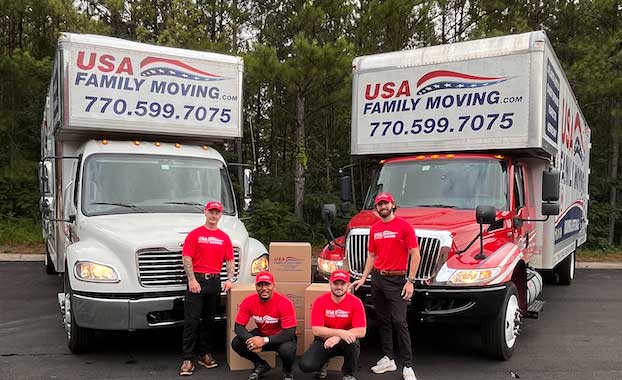
"Your Friendly Family Mover"



Veteran-Owned Movers in Georgia
At USA Family Moving, we proudly honor those who serve. As a veteran-owned company, we offer exclusive discounts for military members and first responders. Whether you're moving across Georgia or out of state, let our family move yours—with strength, respect, and care.
Call now to claim your Military & First Responder Discount and book your move!
Moving Insurance Guide and Policy Forms
When you’re moving to a new home, protecting your household goods should be part of your moving plan from the start. Moving insurance is designed to reduce financial risk if something is damaged or lost in transit. Many people do not realize how important insurance for moving can be until they are faced with an unexpected issue.
At USA Family Moving, a company that specializes in moving throughout Georgia, we help customers understand the value of their belongings and how to protect them. Our goal is to support moving safely through clear information and trusted moving practices.
Hiring a moving company is a big decision, and knowing how moving insurance coverage works is part of making the best moving choice. Moving companies offer several insurance options, but not all coverage is the same. Some types of moving insurance are included in your moving contract, while others require you to purchase moving insurance separately.
Depending on the moving company, protection levels and insurance costs will vary. That is why it’s best to review all moving insurance options available before your relocation date.
What Is Moving Insurance?
Moving insurance refers to the protection provided by the moving company or a third party for your belongings during a move. In many cases, what people call movers insurance is actually valuation coverage. This type of coverage determines how much the moving company is liable for if items are damaged. True third-party insurance or third-party moving insurance may be purchased through independent insurance companies.
Understanding the different types of moving insurance coverage helps you choose the right type of insurance for your situation.
Federal rules state that moving companies are required to offer released value protection at no additional charge. This basic coverage provides limited coverage based on weight, not replacement value. Because of this, moving insurance actually covers far less than many customers expect under the standard option.
If you are moving to a new location across state lines, reviewing moving and relocation insurance details becomes even more important. Insurance can help reduce stress when you understand exactly what your insurance policy will cover.
Types of Moving Insurance Coverage
There are different types of moving insurance, and each type of coverage serves a specific purpose. The most common types of moving insurance include released value protection, full value protection, and third-party insurance. Each coverage option affects the moving insurance cost and the level of liability coverage accepted by the mover. Moving insurance depends on the declared value you assign to your shipment.
Our experts explain these moving insurance options so you can make an informed decision.
Released Value Protection
Released value protection is the most basic coverage option offered by moving companies. Under this plan, the moving company is liable for only $0.60 per pound per item. This means the insurance cover for a heavy but expensive item may be very low compared to its market value.
While basic coverage is included in your moving agreement, it rarely reflects the full replacement value of your belongings during a move. Many customers find this limited coverage insufficient for high-value items.
Because this is a minimal level of protection, it may not cover the full value of your belongings. The moving company may only reimburse based on weight, not current market value or replacement cost. Insurance may not cover certain items if they were packed by the owner. Insurance does not cover pre-existing damage or items prohibited under the moving contract.
If you need moving insurance with broader protection, you may want to explore additional moving insurance.
Full Value Protection
Full value protection offers stronger moving insurance coverage and is one of the most popular insurance options. Under this plan, the moving company provides repair, replacement, or a settlement based on the current market value of damaged items.
Some policies are based on full replacement value rather than weight. The price of full value protection depends on the declared value of your shipment and the cost of moving insurance selected. This type of coverage gives customers greater financial confidence.
When choosing full value protection, you must declare the value of your belongings in writing. High-value items may need to be listed separately as part of your moving paperwork. This ensures the moving company’s liability coverage matches your expectations.
Moving insurance will vary depending on the declared value and total shipment weight. It’s best to ask the moving company for a breakdown of the insurance cost before signing.
Third-Party Moving Insurance
Third-party moving insurance is purchased from an outside insurance provider rather than being provided by the moving company. These moving insurance policies may offer broader insurance coverage than what is offered by moving companies. Some third-party insurance plans are offered through a relocation insurance group or specialized moving insurance companies.
This type of insurance, which includes expanded risk protection, may cover situations not included in your moving agreement. Reviewing policy terms carefully is important before making a decision.
If you are moving during hurricane season or storing items temporarily, you may also consider storage insurance. Some policies may include insurance that includes protection while goods are in storage. However, insurance policies are different depending on the insurance companies involved. Insurance may not cover every scenario, so always read the details closely.
Ask the moving company and call your insurance agent if you are unsure about coverage if you’re moving long-distance.
Bill of Lading
The Bill of Lading is the official contract between you and your mover. This document explains the agreed-upon rates, waiver and release agreement you sign on moving day and any other official authorizations the movers need to start the job.
Order for Service
An order for service always comes along with the bill of lading. This document lays out the moving services that you will get from your movers. It outlines our policies about filing claims, moving estimates, arbitration and more. Like a receipt you’d get from a store, make sure you keep your order for service handy for any clarification purposes.
Tariff
Every moving company is required by the Department of Transportation to publicize their rates and charges with a tariff. The moving tariff will lay out the services you will be provided and the conditions under which those services will be provided, including prices for those services.
We hope these documents are helpful for you to get a better understanding of the policy forms and procedures that go into the moving process. If you have questions, don’t hesitate to call us at USA Family Moving. We’ll make sure you have all the answers you need before you move. Our family works hard to make sure that you have a stress-free moving experience. Call us today for your free moving quote.
What Moving Insurance Actually Covers
Moving insurance is designed to protect belongings during a move from damage caused by handling or transportation. In most cases, moving insurance, as well as other resources we can provide, can help with repair or reimbursement if items are dropped, crushed, or lost.
Our moving company is willing to explain what moving insurance actually covers under your selected plan. Coverage may include liability coverage for household goods, but may exclude certain high-value items. Knowing about moving insurance before moving day reduces confusion later.
Insurance may not cover cash, jewelry, or certain electronics unless specifically declared. Insurance policies often exclude items packed by the owner unless there is visible external damage. A renters’ or homeowners’ insurance policy might provide limited protection, but homeowners’ or renters’ insurance often has restrictions during transit. Your homeowners’ insurance or renters’ insurance may only provide partial coverage.
It’s important to ask the moving company and call your insurance provider to confirm details.
Filing an Insurance Claim
If damage occurs, you will need to file an insurance claim within the timeframe listed in your moving contract. Begin by documenting damage and reviewing your inventory list. Tell your moving company about the issue as soon as possible. Complete all required moving insurance policies paperwork accurately. Providing photos and receipts helps support your claim.
The insurance policy will cover eligible losses based on the type of coverage you selected. Moving insurance can help resolve disputes more smoothly when documentation is complete. Insurance provider review times will vary depending on the moving company’s procedures.
Part of your moving preparation should include understanding the claims process. Clear communication helps protect your rights.
Do You Need Moving Insurance?
Many people ask if they truly need moving insurance when hiring a moving company. The answer depends on the value of your belongings and your comfort with risk. While homeowners’ insurance, renters’ insurance, and other policies protect different aspects of your life, they may not fully protect items in transit. Insurance cover under a standard policy might be limited.
If you’re moving valuable furniture or equipment, extra moving insurance may be worth considering.
Different moving situations require different moving services and insurance policies. For example, commercial moving services may require specialized relocation insurance for business equipment. Residential moving services may involve family heirlooms that justify additional moving insurance.
The cost of moving insurance is often small compared to potential replacement expenses. It’s best to review the types of moving insurance and decide what fits your needs.
Trusted Moving in Georgia
USA Family Moving is a moving company in Georgia that provides full-service moving for both homes and businesses. Our Georgia moving services include packing, loading, transportation, and clear explanations of moving insurance options. We believe trusted moving starts with honest communication about insurance coverage and liability coverage.
Moving companies offer different policies, but our team works hard to explain what is included in your moving package. We are committed to helping customers move safely and confidently.
Whether you are moving to a new office or moving to a new home, insurance is designed to protect what matters most. Moving insurance options available through our team give you flexibility and control. We encourage customers to ask the moving company questions about coverage option details and the moving insurance cost.
Our moving company provides clear guidance so there are no surprises. Contact us today to discuss your relocation insurance needs and schedule your next move with confidence.
Should you be interested in learning more, feel free to read some of our articles for a full look at our services and how they can help.