
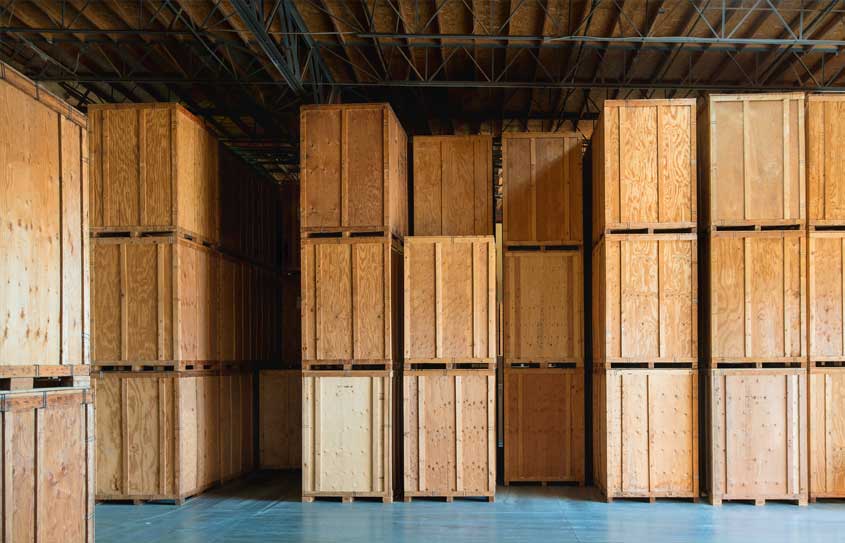
USA Family Moving provides professional, warehouse-based storage services designed to support customers across the Atlanta metro area and throughout Georgia. While storage is often associated with self-storage facilities, warehouse storage offers a different experience, with added oversight, security, and coordination, especially when storage is part of a moving plan.
This page explains what influences storage unit prices, how storage unit size affects cost, and how to determine the right storage solution for your needs, no matter where you are relocating within Georgia.
What Affects Storage Unit Prices?
Storage unit prices are not one-size-fits-all. Several variables influence how much customers pay for storage, whether items are stored for a short period or long term.
Location plays a role in pricing, particularly across high-demand metro areas. Storage costs can vary throughout the Atlanta area and across Georgia based on availability, demand, and service structure. Customers in cities such as Atlanta, Sandy Springs, Alpharetta, Marietta, and Roswell may see differences depending on how storage is coordinated and managed.
Size is another major factor. Larger storage units cost more than smaller ones, but choosing the correct size helps avoid paying for unused space.
Length of storage also impacts pricing. Short-term storage used during moves or renovations may be priced differently from long-term storage used for extended transitions.
Climate control can affect cost as well. Climate-controlled storage helps protect belongings from temperature and humidity changes and is often recommended for furniture, electronics, documents, and sensitive items.
Handling and access matter too. Warehouse-based storage typically includes professional handling and inventory management, which differs from customer-accessed self-storage units and can influence overall pricing.
Average Storage Unit Prices and What to Expect
Many people want to know the average price for a storage unit before committing. While averages provide a general reference point, actual pricing depends on the factors outlined above.
Smaller storage units intended for boxes or limited furniture usually cost less than larger options. Medium-sized storage units are often used for apartment moves and fall in the middle price range. Larger storage units or warehouse-based storage designed for full households or business inventory typically cost more due to space and handling needs.
Rather than focusing only on averages, it is more useful to evaluate what you need to store, how long storage is required, and whether storage is part of a moving plan. Professional storage providers can explain pricing clearly and help align cost with actual usage.
Storage Unit Sizes and How They Impact Cost
Storage unit size is one of the most important factors affecting price. Choosing the right size balances cost, convenience, and accessibility.
Smaller storage units work well for seasonal items, boxes, or limited furniture and are usually the most affordable option.
Medium storage units can hold the contents of a one-bedroom or two-bedroom apartment, depending on packing efficiency. These sizes are common during relocations that require temporary storage.
Larger storage units or warehouse storage options are designed for full households, long-distance moves, or business storage. These options provide space for furniture, appliances, and larger inventories and generally come with higher pricing due to space and professional handling.
Understanding storage unit sizes and how they relate to cost helps prevent overpaying or needing to change storage plans later.
How to Determine the Right Storage Unit Size
Have you been wondering how to choose the right storage unit size, or even “What size storage unit do I need?” The right storage unit size depends on how much you plan to store, how items are packed, and whether large furniture is disassembled. Determining the right storage unit size begins with taking inventory. Creating a simple inventory of boxes, furniture, and specialty items helps estimate space needs more accurately. Packing efficiency also plays a role, since well-organized boxes and stacked items take up less room than loosely packed belongings, reducing the amount of space required.
For customers working with professional movers, storage unit size recommendations are often part of the planning process. Storage coordinated through a moving company allows size decisions to align with the volume of items being moved.
If you are unsure what size storage unit you need, professional guidance can help you choose an option that fits your belongings without unnecessary cost. Below is some advice on how much storage space you might need.
Storage Unit Size for a One-Bedroom Apartment
A one-bedroom apartment typically fits into a small to medium storage unit, depending on the amount of furniture and how items are packed. Minimal furniture and efficient packing may require less space, while larger beds, dressers, and seating can increase storage needs.
Storage Unit Size for a Two-Bedroom Apartment
Two-bedroom apartments usually require a medium storage unit. Additional furniture, appliances, or bulky items can push space requirements higher, especially if items are not fully disassembled before storage.
Storage Unit Size for a Three-Bedroom House
A three-bedroom house generally needs a larger storage unit or a warehouse-based storage option. This size accommodates multiple rooms of furniture, appliances, and household items while allowing for organized stacking and safe handling.
Warehouse Storage vs. Self-Storage Units
When comparing storage unit prices, it is important to understand the difference between warehouse storage and traditional self-storage units.
Self-storage units typically allow customers to access belongings independently and are priced primarily by size and location, with optional climate control.
Warehouse-based storage, like the services offered by USA Family Moving, includes professional handling, inventory tracking, and controlled access. This type of storage is commonly used during moves, renovations, and long-distance relocations.
While warehouse storage may follow a different pricing structure, many customers prefer it for the added security, organization, and convenience, especially when storage is coordinated with moving services.
Storage Costs for Short-Term and Long-Term Needs
Storage needs vary widely. Short-term storage is often used during local or long-distance moves, home renovations, or transitional periods. Long-term storage may be needed for downsizing, extended relocations, or business inventory.
Pricing for short-term storage can differ from long-term arrangements depending on duration, space requirements, and service level. Flexibility is especially important when the timeline of a move shifts.
Professional storage providers can explain how pricing adjusts over time and help customers select storage options that fit both schedule and budget.
Storage Options Available Across Georgia
Storage services are available throughout the Atlanta metro area and across Georgia to support local and long-distance transitions. Customers in cities such as Atlanta, Sandy Springs, Alpharetta, Marietta, and Roswell rely on professional storage solutions when coordinating moves or managing temporary space needs.
Warehouse services and storage units in Georgia can help you explore available storage options and understand how warehouse-based storage works alongside moving services.
Why Work With USA Family Moving for Storage?
USA Family Moving offers storage solutions that prioritize security, organization, and professional care. As a veteran-owned, family-operated company, we focus on clear communication and dependable service.
Our storage services are designed to integrate seamlessly with moving services, providing a streamlined experience for customers managing relocations, renovations, or extended transitions.
Get Help Understanding Storage Costs and Options
If you are trying to determine how much storage units cost and what size storage unit you need, professional guidance can make the process easier.
If you are looking for storage solutions that offer flexibility and dependable care, contact USA Family Moving today. Our team can explain pricing factors, discuss storage options, and help you choose the right solution.
We have storage options that are convenient to many parts of Georgia, including:
You can also read our blogs to learn more about our moving and storage services, plus some great planning tips.
Frequently Asked Questions About Storage Unit Prices and Sizes
What is a good price for a storage unit?
A good price for a storage unit depends on location, size, length of storage, and whether climate control or professional handling is included. Rather than focusing on a single number, it is better to evaluate whether the price aligns with the level of service and protection provided.
What is the average price for a storage unit?
Average storage unit prices vary widely based on region and unit size. Smaller units typically cost less, while larger units or warehouse-based storage options cost more due to space and handling requirements. Professional storage providers can explain what is typical for your situation.
How do you compare prices for self-storage units?
Comparing self-storage prices involves looking at unit size, location, access, climate control, and contract terms. It is also important to consider whether professional handling or added security is included, especially when storage is part of a move.
How do I choose the right storage unit size?
Choosing the right size starts with inventorying your belongings and considering how long items will be stored. Professional guidance can help ensure you select a size that fits your needs without paying for unnecessary space.
Recent Comments